



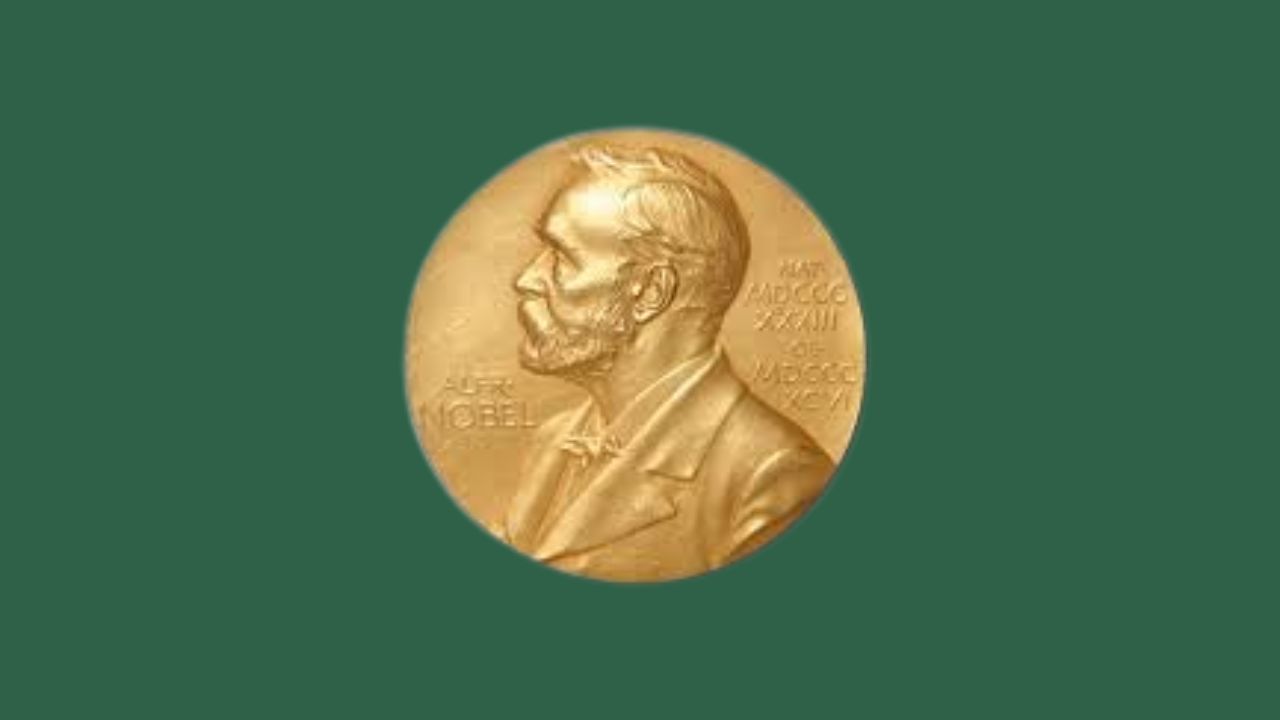
Apart from individuals such as Nelson Mandela, Wole Soyinka, Desmond Tutu, Nadine Gordimer, and Ellen Johnson Sirleaf, there are many other African Nobel Prize winners who have inpacted the world in different ways.
Since the beginning of the award, more than 20 Africans have registered their names as Nobel Laureates in different categories including Physiology or Medicine, Peace, Literature, and Chemistry. The most important period for Africa, as regards the Nobel Prize, came from 2000 to 2005 when the continent produced at least a winner in the five years at a stretch.
Here Are All African Nobel Prize Winners Thus Far
1. Max Theiler
- Country: South Africa
- Year: 1951
- Category: Physiology or Medicine
This South African became the first African to win the Nobel Prize, which he received in 1951 for Physiology or Medicine. He was 52 years old
2. Albert Camus
- Country: Algeria
- Year: 1957
- Category: Literature
While originally French, he was born in Algeria and is considered the first African to win a Nobel Prize in Literature. He was awarded in 1957. He is recognized for works such as The Stranger, The Plague, The Fall, and The First Man.
3. Albert Luthuli
- Country: South Africa
- Year: 1960
- Category: Peace
South African anti-apartheid activist and traditional leader is the first Black African to win a Nobel Prize. He won it in 1960 when he was awarded in the Peace category.
4. Anwar El Sadat
- Country: Egypt
- Year: 1978
- Category: Peace
The third president of Egypt won the Nobel Peace Prize in 1978 for reaching a peace agreement with the Prime Minister of Israel, Menachem Begin. The two men were jointly awarded the prize.
5. Allan M. Cormack
- Country: South Africa
- Year: 1979
- Category: Physiology or Medicine
A physicist and academic, this South African professor clinched the Nobel Prize in Physiology or Medicine for his work on X-ray computed tomography (CT). He was awarded the prize together with British electrical engineer Godfrey Hounsfield.
6. Desmond Tutu
- Country: South Africa
- Year: 1984
- Category: Peace
Anglican Bishop and anti-apartheid hero, Desmond Tutu, was awarded the Nobel Peace Prize for his anti-apartheid activism. He was committed to a non-violent process towards achieving an apartheid-free South Africa, and he chastised those who adopted the violent tactics.
7. Wole Soyinka
- Country: Nigeria
- Year: 1986
- Category: Literature
Two years after Desmond Tutu, the Nigerian playwright and poet Wole Soyinka won the Nobel Prize for Literature in 1986. He became the first black African ever to clinch the award. Today, he is recognized for his vast writing. He has twenty 5 plays, 10 short story collections, 7 poetry collections, and 5 memoirs.
8. Naguib Mahfouz
- Country: Egypt
- Year: 1988
- Category: Literature
It gets interesting that two years after Soyinka, Africa walked away with yet another Nobel Prize in Literature when Egyptian writer won the Prize in 1988. He became the first Egyptian and North African to win the prize. Mahfouz’s works include The Cairo Trilogy, Children of Gebelawi, Children of our Alley, and The Harafish.
9. Nadine Gordimer
- Country: South Africa
- Year: 1991
- Category: Literature
The next in line of African Nobel Prize winners also came from Literature. It was won by Nadine Gordimer, a South African activist and writer who won the prize in 1991. Known for works such as The Conservationist (1974), Burger’s Daughter (1979), and July’s People (1981), she is the first woman to win a Nobel Prize.
10. Nelson Mandela
- Country: South Africa
- Year: 1993
- Category: Peace
Anti-apartheid activist, freedom fighter, and the first president of South Africa, Nelson Mandela, won the Nobel Peace Prize for his role in the freedom of his country from the clutches of the apartheid regime. He was awarded the prize in 1993.
11. F. W. de Klerk
- Country: South Africa
- Year: 1993
- Category: Peace
The last state president of South Africa, Frederik Willem de Klerk, was a co-Nobel Peace Prize winner with Nelson Mandela in 1994. He won the award for his role in bringing an end to apartheid in South Africa.
12. Ahmed Zewail
- Country: Egypt
- Year: 1999
- Category: Chemistry
Ahmed Zewail was the winner of the Nobel Prize for Chemistry in 1999. He was an Egyptian-American chemist respected as the father of femtochemistry. He was awarded the prize for his contribution to femtochemistry.
13. Kofi Annan
- Country: Ghana
- Year: 2001
- Category: Peace
Former United Nations Secretary General, Kofi Annan became the recipient of the Nobel Peace Prize in 2001, making it the sixth time that an African would win the Prize in that category. Annan was awarded the prize alongside the United Nations “for their work for a better organized and more peaceful world.”
14. Sydney Brenner
- Country: South Africa
- Year: 2002
- Category: Physiology or Medicine
South African biologist, Sydney Brenner, was announced a laureate in 2002 when he was awarded the Nobel Prize in Physiology or Medicine. He was awarded together with H. Robert Horvitz and Sir John E. Sulston for his work “on genetic regulation of organ development and programmed cell death.”
15. J. M. Coetzee
- Country: South Africa
- Year: 2003
- Category: Literature
The next African to win the Nobel Prize was J. M. Coetzee, who was the recipient of the 2003 Nobel Prize in Literature. A novelist, essayist, and translator, the two-time Booker Prize winner is known for his works, including Life & Times of Michael K and Disgrace.
16. Wangari Maathai
- Country: Kenya
- Year: 2004
- Category: Peace
Wangari Maathai became the first black woman to ever win the Nobel Prize in 2004 when she was awarded the prize in the category of peace. The Kenyan activist is recognized for her work in social, environmental, and political activism. She was awarded the Nobel for her “contribution to sustainable development, democracy, and peace.”
17. Mohamed ElBaradei
- Country: Egypt.
- Year: 2005
- Category: Peace
Former interim president of Egypt, Mohamed ElBaradei, won the Nobel Peace Prize only a year after Maathai in 2005. He was awarded together with the International Atomic Energy Agency (IAEA) for their “efforts to prevent nuclear energy from being used for military purposes and to ensure that nuclear energy, for peaceful purposes, is used in the safest possible way.”
18. J. M. G. Le Clézio
- Country: Mauritius
- Year: 2008
- Category: Literature
Although he was born in France and only lived in Mauritius for brief periods, the writer considers himself to be a Mauritian and holds a citizenship of the country. He was awarded the Nobel Prize for literature in 2008 for his works, described as “poetic adventure and sensual ecstasy.” Some of his works are Le Procès-verbal (1963), Terra Amata (1967), Le Chercheur d’or (1985), and Hasard suivi d’Angoli Mala (1999).
See Also: 10 African Presidents Who’ve Ruled the Longest
19. Ellen Johnson Sirleaf
- Country: Liberia
- Year: 2011
- Category:, Peace
First female to be elected Liberia’s President, Ellen Johnson Sirleaf was in power from 2006 to 2018. She won the Nobel Peace Prize in 2011, thanks to her role in bringing women into the peace process.
20. Leymah Gbowee
- Country: Liberia
- Year: 2011
- Category: Peace
Peace activist, Leymah Gbowee, who was credited with playing a great role in bringing an end to the Second Liberian War through the Women of Liberia Mass Action for Peace, was also awarded the Nobel Peace Prize with Sirleaf in 2011. This was in recognition of their non-violent struggle for the safety of women and ensuring they are a part of the peace-building process.
21. Michael Levitt
- Country: South Africa
- Year: 2013
- Category: Chemistry
Michael Levitt won the Nobel Prize in Chemistry in 2013. The South African biophysicist and a professor of structural biology was awarded the prize for “the development of multiscale models for complex chemical systems”. He shared the award with Martin Karplus and Arieh Warshel.
22. Tunisian National Dialogue Quartet
- Country: Tunisia
- Year: 2015
- Category: Peave
Rather than an Individual, in 2015, it was a group of Africans, four civil society organizations from Tunisia, that were awarded the Nobel Peace Prize as a result of their contribution in bringing an end to the political crisis in Tunisia that halted the country’s constitutional process.
23. Denis Mukwege
- Country: Democratic Republic of the Congo
- Year: 2018
- Category: Peace
Gynecologist, humanitarian, and pastor, Denis Mukwege, won the Nobel Peace Prize in 2018 for his efforts to end the use of sexual violence as a weapon of war and armed conflict. He was joined winner of the award with Iraq’s Nadia Murad.
24. Abiy Ahmed
- Country: Ethiopia
- Year: 2019
- Category: Peace
Politician and prime minister of Ethiopia, Abiy Ahmed, was awarded the Nobel Peace Prize in 2019 mainly for his efforts at resolving Ethiopia’s border conflict with neighbouring Eritrea. With that, he became the first Ethiopian to win a Nobel Prize.
25. Abdulrazak Gurnah
- Country: Tanzania
- Year: 2021
- Category: Literature
The last time an African won the Nobel Prize was in 2021 when Tanzanian-born British writer, Gurnah, was awarded the Nobel Prize for Literature. Some of his best works are Paradise (1994), By the Sea (2001), and Desertion (2005).