



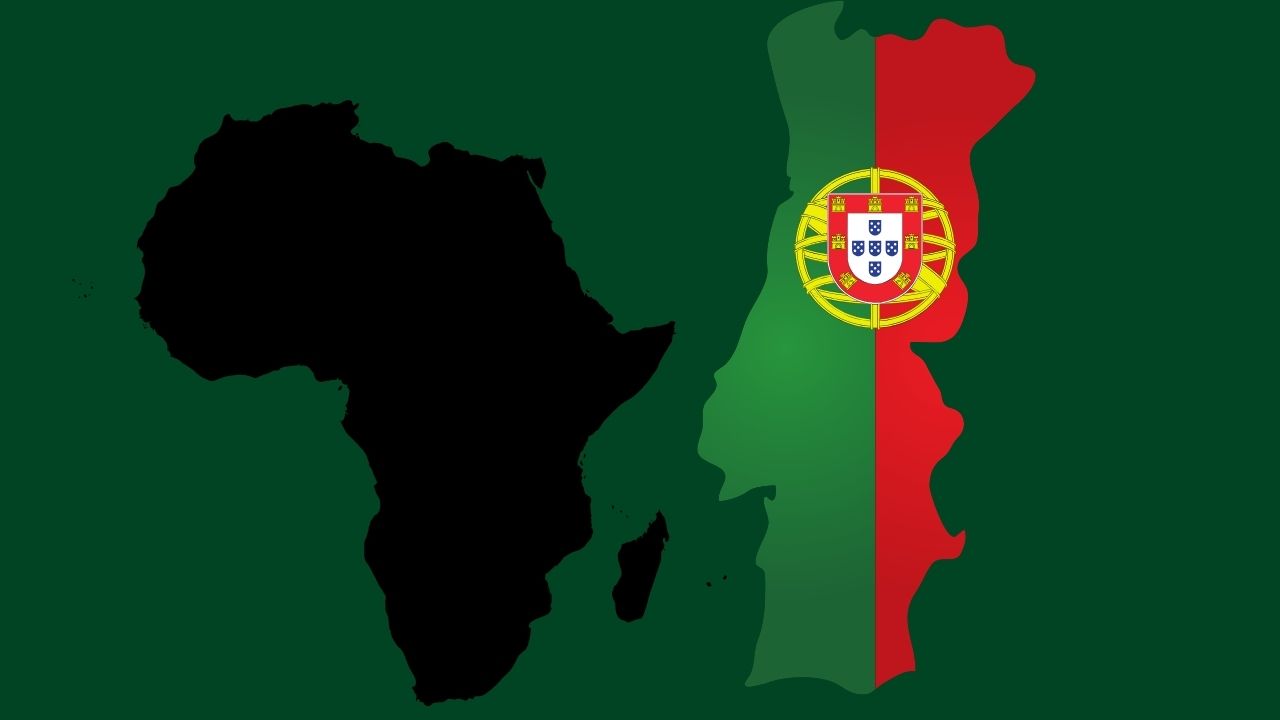
Africa is the most diverse and culturally rich continent in the world. With 54 independent countries and more than 2,000 languages, Africa has countries that speak English (27), French (21), and Portuguese (6). This brings the division of the continent into the Anglophone, Francophone, and Lusophone regions, as influenced by their colonialists.
Although Portuguese is mostly associated with Portugal and Brazil, Africa has the largest number of countries speaking Portuguese than all other continents combined. Portuguese-speaking Speaking Countries are Angola, Mozambique, Cape Verde, Guinea-Bissau, São Tomé and Príncipe, and Equatorial Guinea. Except for Equatorial Guinea, which was colonized by Spain, all other countries that speak Portuguese in Africa were colonized by Portugal.
Here Are the 6 Portuguese-Speaking Countries in Africa
1. Angola
- Capital: Luanda
- Population: 40 million
- Portuguese-speaking population: 25.8 million
- Independence: 11 November 1975 (Portugal)
Located in Central Africa, Angola is the second-largest Portuguese-speaking country in the world, after Brazil, and the largest in Africa. Portuguese is the official language of the country, although there are 46 other languages spoken.
The Portuguese had their first contact with the people of this area in 1484 and would go on to colonize the country. Angola finally gained its freedom from Portugal in 1975, but before then, it had already influenced the country.
Chokwe, Kikongo, Kimbundu, Oshiwambo, Luchazi, and Umbundu are other languages recognized in the country.
2. Mozambique
- Capital: Maputo
- Population: 33.64 million
- Portuguese-speaking population: 14.4 million
- Independence: 25 June 1975 (Portugal)
Located in Southeast Africa, Mozambique has a population of around 35 million. Although it has over 2,000 ethnic groups, the official language of the country is Portuguese. This is as a result of the influence of Portugal, which dominated the area from 1498 to 1975 when Mozambique became an independent country.
Some other languages recognized in Mozambique are Makhuwa, Sena, Tsonga, Lomwe, and Swahili.
3. Cape Verde
- Capital: Praia
- Population: 522,000
- Portuguese-speaking population: over 500,000
- Independence: 5 July 1975 (Portugal)
An island country located in West Africa, Cape Verde is one of the two countries in West Africa that speaks Portuguese as its official language. The first Portuguese settlers arrived in the country in 1462 and remained there until July 1975, when the country gained its independence. Apart from its language, many aspects of Cape Verde, including music and arts, have been influenced by Portuguese culture.
Another language that is widely spoken in the country is the Cape Verdean Creole, which is recognized as a national language.
4. Guinea-Bissau
- Capital: Bissau
- Population: 2.1 million
- Portuguese-speaking population: Over 171,000 people
- Independence: September 10, 1974 (Portugal)
This West African country has Portuguese as its official language, although it is not the most spoken. Some parts of the country were controlled by the Portuguese Empire as far back as the 16th century. This is until 1974, when the country gained independence.
While Portuguese is the official language of the country, Guinea-Bissau also has many other spoken languages, including Guinea-Bissau Creole, which is the most spoken language in the country. Others are English, French, Arabic, Balanta, Hassaniya, Jola, Mandinka, Mandjak, Mankanya, Noon, Pulaar, Serer, and Soninke.
See Also: French-Speaking African Countries
5. São Tomé and Príncipe
- Capital: São Tomé
- Population: 230,871
- Portuguese-speaking population: 225,000
- Independence: 12 July 1975 (Portugal)
Located in Central Africa, São Tomé and Príncipe is the second smallest country on the African continent and one of the six Portuguese-speaking countries in Africa. The Portuguese and this country established first contact around 1470, and this influenced the adoption of the language. Based on the percentage of speakers, the country has the third highest speakers of Portuguese in the world, 95%.
The Portuguese rule did not just influence the language of São Tomé and Príncipe; it also influenced their culture, laws, and other aspects of their lives.
Other languages spoken in the Island country include São Tomean Portuguese, Forro Creole, Principense Creole, and Angolar Creole.
6. Equatorial Guinea
- Capital: Malabo
- Population: 1.8 million
- Portuguese-speaking population: 20,000 people
- Independence: 12 October 1968 (Spain)
Equatorial Guinea, among other Portuguese-speaking African countries, Equatorial Guinea is the only one that was not colonized by Portugal. The country has three official languages- Spanish, Portuguese, and French. Located in Central Africa, the country has Spanish as the most spoken language, followed by French and Portuguese.
The country was once ruled by the Portuguese until 1778, when the Spanish took over, leased it to the British Empire, and later took it back. Hence, Portuguese is spoken in the country mainly for diplomatic purposes.
Fang, Bub, Annobonese Creole, Kombe, and Kwasio are other languages spoken in the country.